Fuzhou in a day: Three Lanes and Seven Alleys in the morning (Ming-Qing courtyard houses, still lived in at the edges), Gushan and Yongquan Temple after lunch for the climb and the view back, then Shangxiahang for dinner by the old wharves. It is 1.5 hours from Xiamen by rail, which makes it a good one-night stop rather than a base.
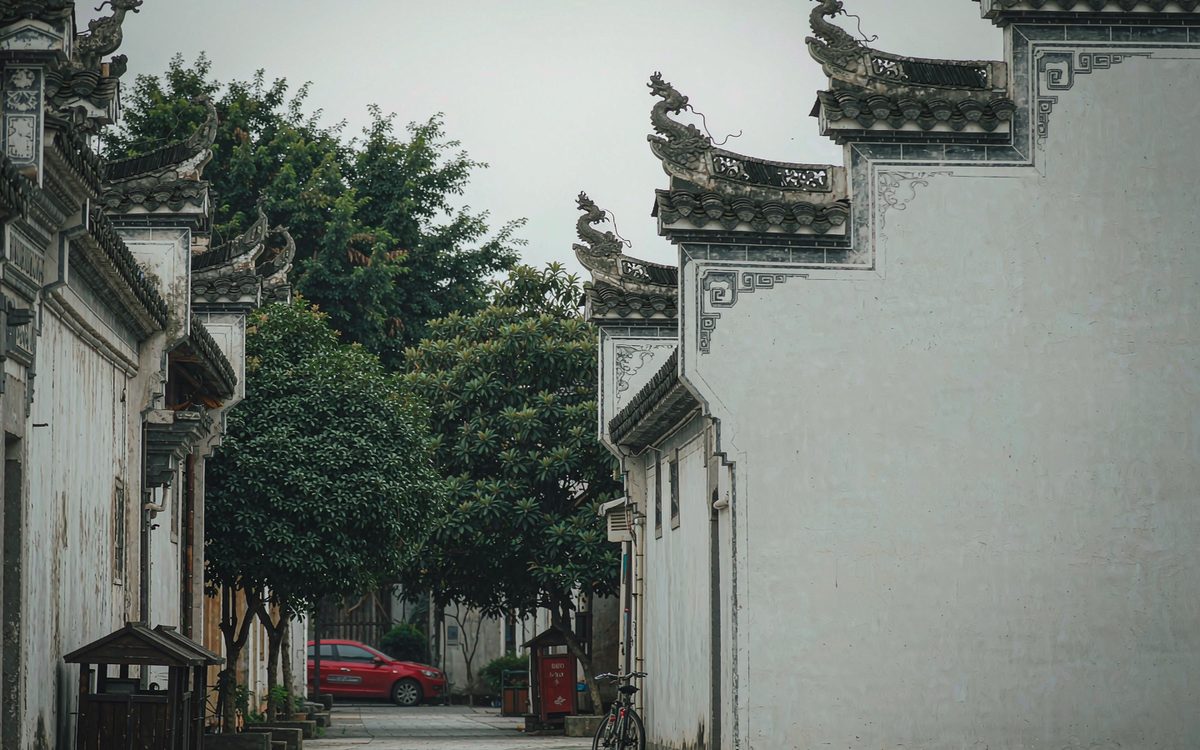
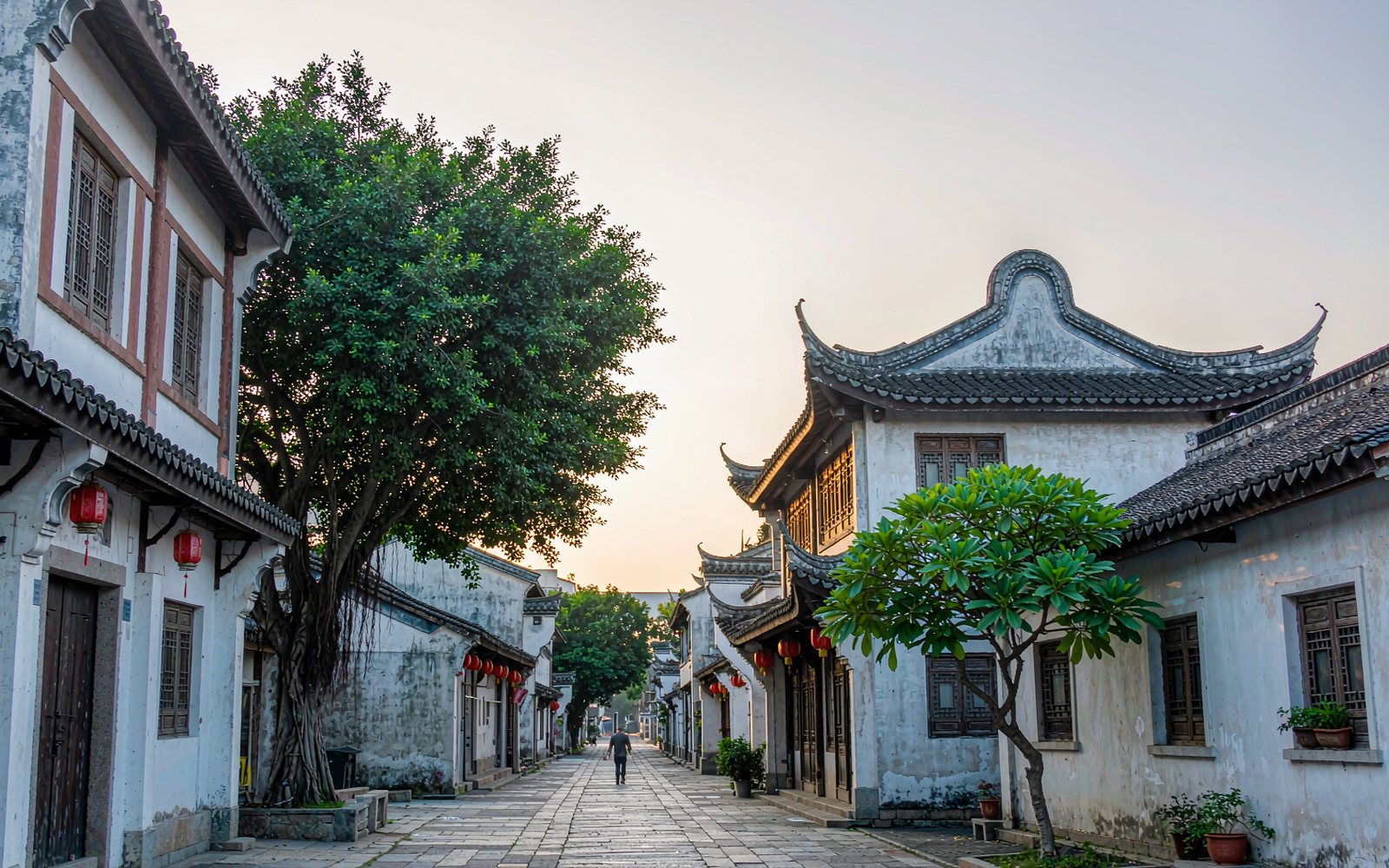
Three Lanes and Seven Alleys (三坊七巷) is a preserved quarter of Ming and Qing courtyard houses, and unlike most "old streets" in China it is still residential at the edges. Lin Zexu's house and Yan Fu's former residence are both inside and both free or cheap. Two hours, early, before the shops open.
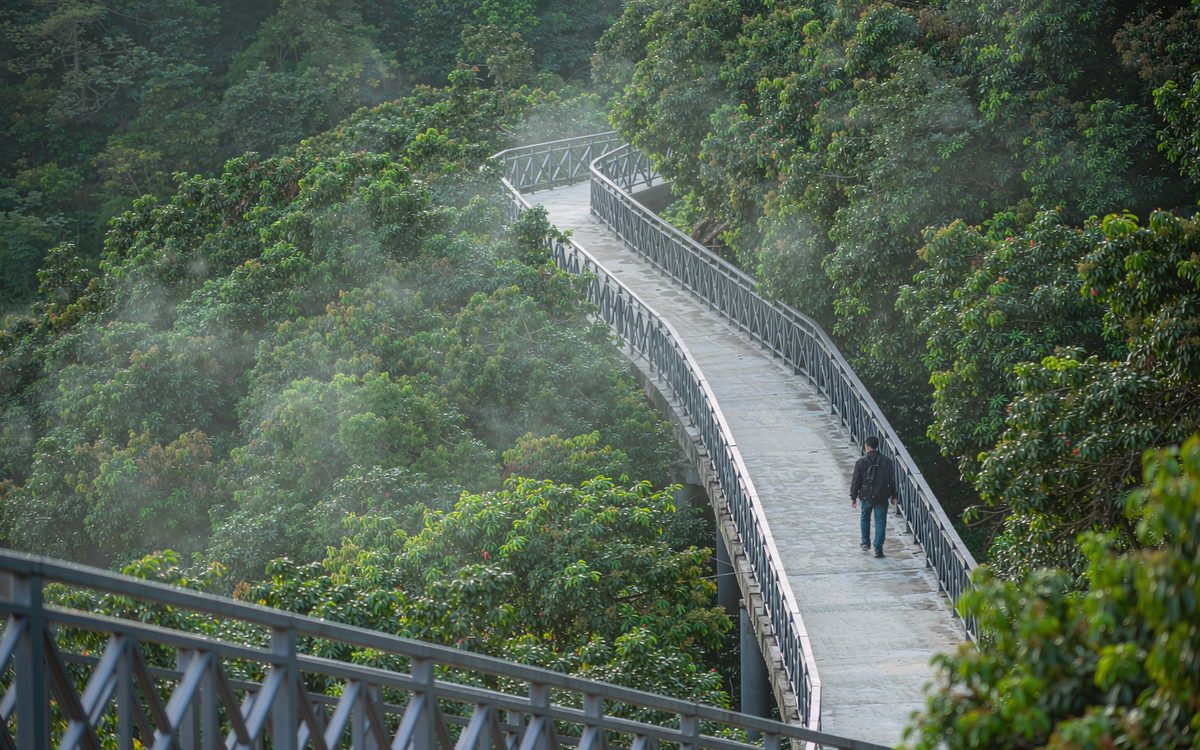
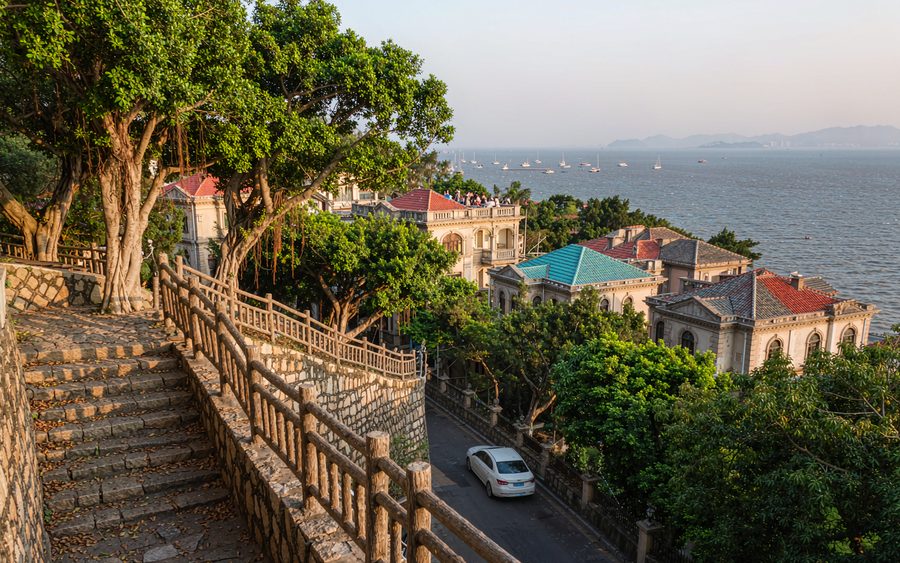
After lunch, Gushan across the river. The cable car or a 40-minute climb gets you to Yongquan Temple, which has been on the site since the 10th century and is still working rather than curated. The view back over the city is the other reason to come up.
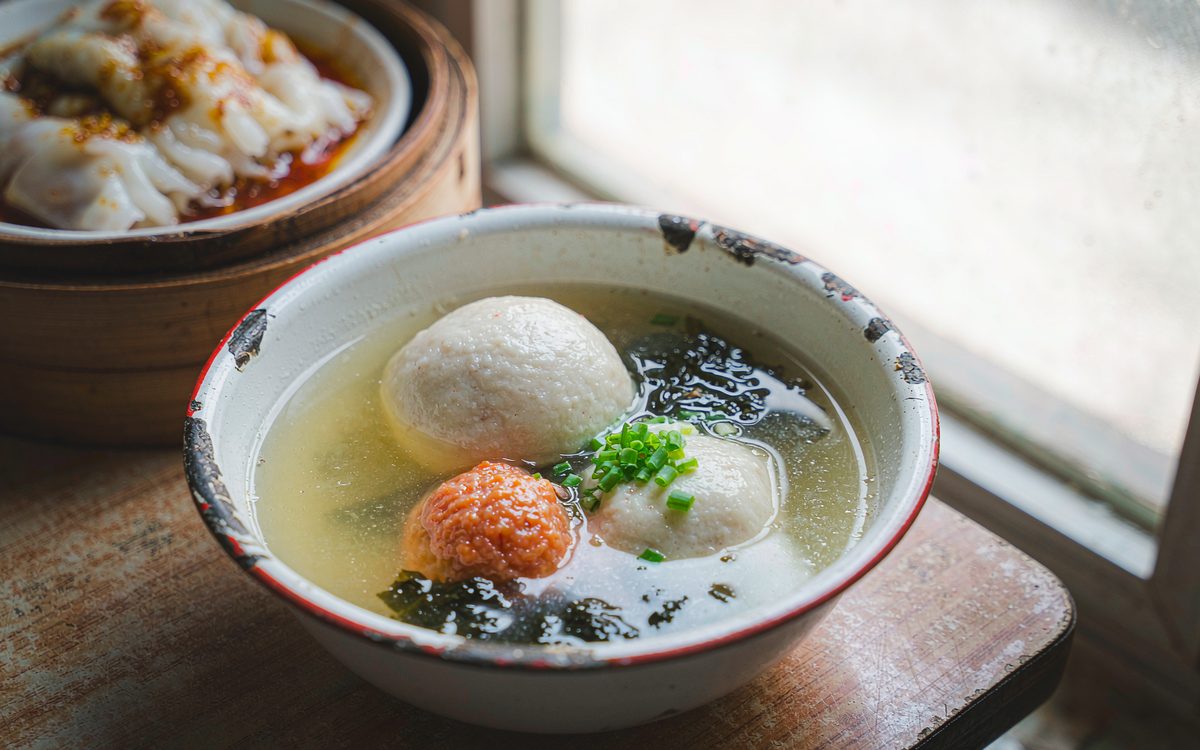
Evening at Shangxiahang, the old warehouse and wharf district, now restaurants. Fuzhou food is subtle and slightly sweet — fish balls, lychee pork, and the soup called fotiaoqiang that costs more than the rest of the meal. The city is 1.5 hours from Xiamen by rail, which makes it a natural stop rather than a destination.
- Three Lanes and Seven Alleys before the shops open
- Gushan: cable car up, walk down
- Shangxiahang for dinner by the old wharves
- 1.5h from Xiamen by rail — a stop, not a base
The running order we actually use. Times include the driving, because that is what makes or breaks the day.
- 09:00Three Lanes and Seven Alleys, entering by a side lane rather than the main street.
- 10:30Lin Zexu's memorial — small, and the reason the lanes matter politically.
- 11:30Gushan by cable car, Spring Temple at the top.
- 13:30Fish balls and meat dumplings, the local lunch.
- 15:00Shangxiahang, the merchant quarter, half restored and quiet.
- 17:00Hot springs in the city. Fuzhou has been a spa town for a thousand years.
- Old quarter
- Ming and Qing, still residential
- Yongquan Temple
- On the site since the 10th c.
- To Xiamen
- 1.5h by high-speed rail